内容简介
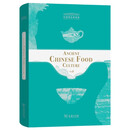
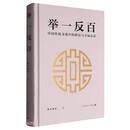
本书为中国国家博物馆常设展览的英文图录之一种,共分为“食自八方”“茶韵酒香”“琳琅美器”“鼎中之变”“礼始饮食”五个单元,精选文物百余件(套),从食材、器具、技艺、礼仪等不同角度出发,全面呈现中国古代饮食文化的历史变迁,真实刻画古代劳动人民充满烟火气息的日常生活,深刻表达中华民族对丰衣足食的美好生活的憧憬和信心。本书面向国外读者,系统阐释中国古代饮食的发展变迁与文化内涵,引导读者感知中华民族的血脉与生趣。
精彩书摘
饮食不仅是人类赖以生存的物质需要,也是衡量社会发展进步的重要标志。饮食文化是中华传统文化的重要组成部分,从茹毛饮血到炊煮熟食,从大羹玄酒到佳肴美馔,中国古人的餐桌见证了上万年的饮食变革和文化流变。吃饭,不仅是为了果腹与生存,更成为一种生活方式的集中表达,调羹弄膳之间,处处流露着生活智慧和生命尊严。此次中国国家博物馆面向公众推出“中国古代饮食文化”专题展览,就是要系统阐释中国古代饮食的发展变迁与文化内涵,引导广大观众细细品味“民以食为天”的中国味道,深刻感知中华民族的血脉与生趣。 中国古代饮食文化绵长而厚重,在其长达数千年的历史积淀中,不仅包含了造型精美的饮食器具、自成体系的烹饪技艺以及浩如烟海的典籍制度,还由此孕育衍化出一系列影响中华文明发展进程的哲学观念、政治智慧和科学思想,同时也为传统音乐、舞蹈、绘画、雕塑、诗歌等诸多文艺创作提供了不竭源泉。本次展览展出精选文物240余件(套),从食材、器具、技艺、礼仪等不同角度出发,全面呈现了中国古代饮食文化的历史变迁,真实刻画了古代劳动人民充满烟火气息的日常生活,深刻表达了中华民族对丰衣足食的美好生活的憧憬和信心。
目录
Introduction
Essays
Wines and Wine Vessels in Ancient China / Sun Ji
A Study of Ancient Chinese Food Culture from the Perspective of Archaeological Discoveries / Wang Renxiang
Chapter One Food from Everywhere
Food staples
Domestic animals
Fruit and vegetables
Chapter Two Wine and Tea
Wine
Tea
Chapter Three Tableware
Pottery
Bronzes
Lacquerware
Porcelain
Gold, silver and jade ware
Chapter Four The Evolving Kitchen
Cooking methods
Food in books
Food and state governance
Chapter Five Ritual in Dining
Ritual vessels
Dining etiquette
Banquet etiquette
Curator Team’s Word
Interaction Between ‘People’ and ‘Artefacts’: Design Features of the Ancient Chinese Food Culture Exhibition / Wang Hui
Bibliography
Glossary
Afterword
试读
饮食不仅是人类赖以生存的物质需要,也是衡量社会发展进步的重要标志。饮食文化是中华传统文化的重要组成部分,从茹毛饮血到炊煮熟食,从大羹玄酒到佳肴美馔,中国古人的餐桌见证了上万年的饮食变革和文化流变。吃饭,不仅是为了果腹与生存,更成为一种生活方式的集中表达,调羹弄膳之间,处处流露着生活智慧和生命尊严。此次中国国家博物馆面向公众推出“中国古代饮食文化”专题展览,就是要系统阐释中国古代饮食的发展变迁与文化内涵,引导广大观众细细品味“民以食为天”的中国味道,深刻感知中华民族的血脉与生趣。 中国古代饮食文化绵长而厚重,在其长达数千年的历史积淀中,不仅包含了造型精美的饮食器具、自成体系的烹饪技艺以及浩如烟海的典籍制度,还由此孕育衍化出一系列影响中华文明发展进程的哲学观念、政治智慧和科学思想,同时也为传统音乐、舞蹈、绘画、雕塑、诗歌等诸多文艺创作提供了不竭源泉。本次展览展出精选文物240余件(套),从食材、器具、技艺、礼仪等不同角度出发,全面呈现了中国古代饮食文化的历史变迁,真实刻画了古代劳动人民充满烟火气息的日常生活,深刻表达了中华民族对丰衣足食的美好生活的憧憬和信心。
前言/序言
Introduction
Food and drink are essential not only for human survival, but also as important indicators of social development and progress. Food culture is a significant part of traditional Chinese culture. The dining tables of ancient China have witnessed thousands of years of culinary evolution and cultural transformation, from eating raw food to eating cooked food, from simple soups and fermented beverages to sumptuous delicacies. Eating is not just about satisfying hunger and staying alive; it is also an expression of a way of life. The wisdom and dignity of living can be seen everywhere in the preparation and enjoyment of food.
On December 28, 2021, the National Museum of China launched a thematic exhibition ‘Ancient Chinese Food Culture’. The exhibition aims to show the evolution and cultural significance of food in ancient China, to invite visitors to savour its flavours, and to provide an in-depth understanding of the vitality of China’s cultural heritage.
Ancient Chinese food culture has a history of thousands of years. It encompasses not only exquisitely crafted food utensils, well-established culinary systems and an immense body of literary works and regulations, but it has also engendered philosophical concepts, political wisdom and scientific ideas that have influenced the development of Chinese civilisation. It is an inexhaustible source of inspiration for literary and artistic creations such as traditional music, dance, painting, sculpture, and poetry.
The exhibition displays more than 240 carefully selected artefacts, which reveal the evolution of China’s culinary culture from various perspectives, including ingredients, utensils, techniques, and etiquette. It vividly portrays the daily life of ancient Chinese working people, reflecting their longing for and confidence in a life of abundance.